In a culture obsessed with “go hard or go home,” a quiet rebellion is gaining momentum. It’s called Slow Fitness, and it’s turning the traditional fitness narrative on its head.
Across U.S. cities, from Brooklyn rooftops to Venice Beach studios, urban professionals are trading bootcamps for breathwork, and HIIT for intentional movement. The goal isn’t to burn out. It’s to build resilience, stay grounded, and feel good—long-term.
Here’s why slow is strong, and how you can incorporate this rising trend into your life.
1. The Shift from Burnout to Balance
The hustle culture of the past decade led many to push their bodies beyond limits. But as more people experience burnout—physically and mentally—there’s a rising demand for a more sustainable form of fitness.
Slow fitness encourages:
Mindful movement Nervous system regulation Recovery-based training
It’s about tuning in, not tapping out.
2. What Exactly Is Slow Fitness?
Slow fitness isn’t just moving slowly—it’s about intentionality. Think of it as the intersection of movement, breath, and awareness.
Popular formats include:
Mobility and stretch-focused flows Slow strength training with control and core activation Low-impact cardio like incline walking or cycling Movement meditation practices like Qi Gong
This approach builds deep strength, flexibility, and calm.
3. It’s Built for Urban Stress
City life is fast. Work is demanding. Add in blue light, traffic, noise, and digital overload—and you’ve got a nervous system in overdrive.
Slow fitness works like a reset button.
Practices such as:
Breath-led yoga Restorative pilates Somatic movement can lower cortisol levels and improve mental clarity—without exhausting your body.
4. Strength Without the Noise
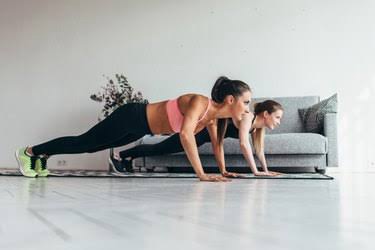
There’s a misconception that slow equals easy. But the truth is: slow workouts are often harder. Slower tempos require control, core engagement, and better form.
This leads to:
Greater muscle activation Injury prevention Improved joint health
It’s functional, foundational strength—minus the screaming trainers and pounding music.
5. It Fits into Real Life
One of the best parts of slow fitness? It’s low barrier.
You don’t need:
A gym membership Equipment Fancy gear Long blocks of time
You can practice it at home, in your office, or in a park—whether you have 10 minutes or 45.
It’s minimal, efficient, and deeply restorative.
Getting Started with Slow Fitness
If you’re new to the concept, start here:
Choose one 20-minute session this week: try mobility, yin yoga, or slow pilates Focus on breath with each movement Keep your phone in another room Track how you feel, not how many calories you burn
This is about body awareness, not body punishment.
Final Thought: The Future of Fitness is Nervous-System Aware
Slow fitness isn’t a trend—it’s a recalibration. It’s what happens when wellness meets self-awareness and when performance meets presence.
In a world that rewards speed, choosing to move slowly is an act of strength. It’s the next evolution in fitness—and it’s here to stay.