In recent years, Vitamin D has become a hot topic in nutrition and public health—and for good reason. Often referred to as the “sunshine vitamin,” Vitamin D plays a critical role in bone health, immune function, and mood regulation. Yet, millions of people in the US and UK are unknowingly deficient in it.
This article explores the importance of Vitamin D, how to get enough of it, and the best dietary sources to include in your routine.
Why Vitamin D Matters
Vitamin D is a fat-soluble vitamin that helps the body absorb calcium and phosphorus—key minerals for strong bones and teeth. But its role goes far beyond skeletal health. Research now links sufficient Vitamin D levels to:
Stronger immune defense Reduced risk of autoimmune disorders Improved muscle function Lower inflammation levels Enhanced mood and reduced risk of depression
In both the US and UK, long winters, indoor lifestyles, and increased use of sunscreen have led to widespread Vitamin D deficiencies—especially among adults, children, and elderly populations.
Symptoms of Low Vitamin D
Deficiency may not cause immediate symptoms, but over time it can lead to:
Frequent colds or infections Fatigue or low energy Muscle pain or weakness Mood changes, especially seasonal depression Bone pain or increased risk of fractures
A simple blood test can confirm your Vitamin D status.
How to Get Enough Vitamin D
There are three main ways to maintain healthy Vitamin D levels:
1. Sunlight Exposure
The skin naturally produces Vitamin D when exposed to ultraviolet B (UVB) rays from the sun. Just 15–30 minutes of sun exposure on bare skin a few times a week can be enough in summer months.
Challenge: In regions like the UK, or parts of the northern US, sunlight is insufficient during autumn and winter. People with darker skin also need longer exposure to produce the same amount of Vitamin D.
2. Vitamin D-Rich Foods
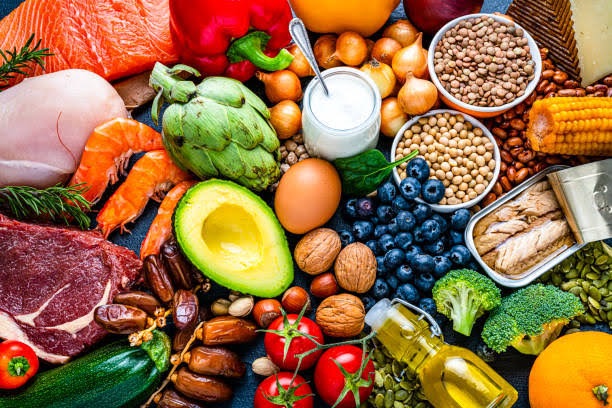
Although few foods naturally contain Vitamin D, certain dietary sources can help boost intake:
Natural sources:
Fatty fish (salmon, mackerel, sardines) Egg yolks Beef liver
Fortified foods:
Dairy and plant-based milks Breakfast cereals Orange juice (US brands more commonly fortified)
Check food labels in both countries, as fortification varies.
3. Supplements
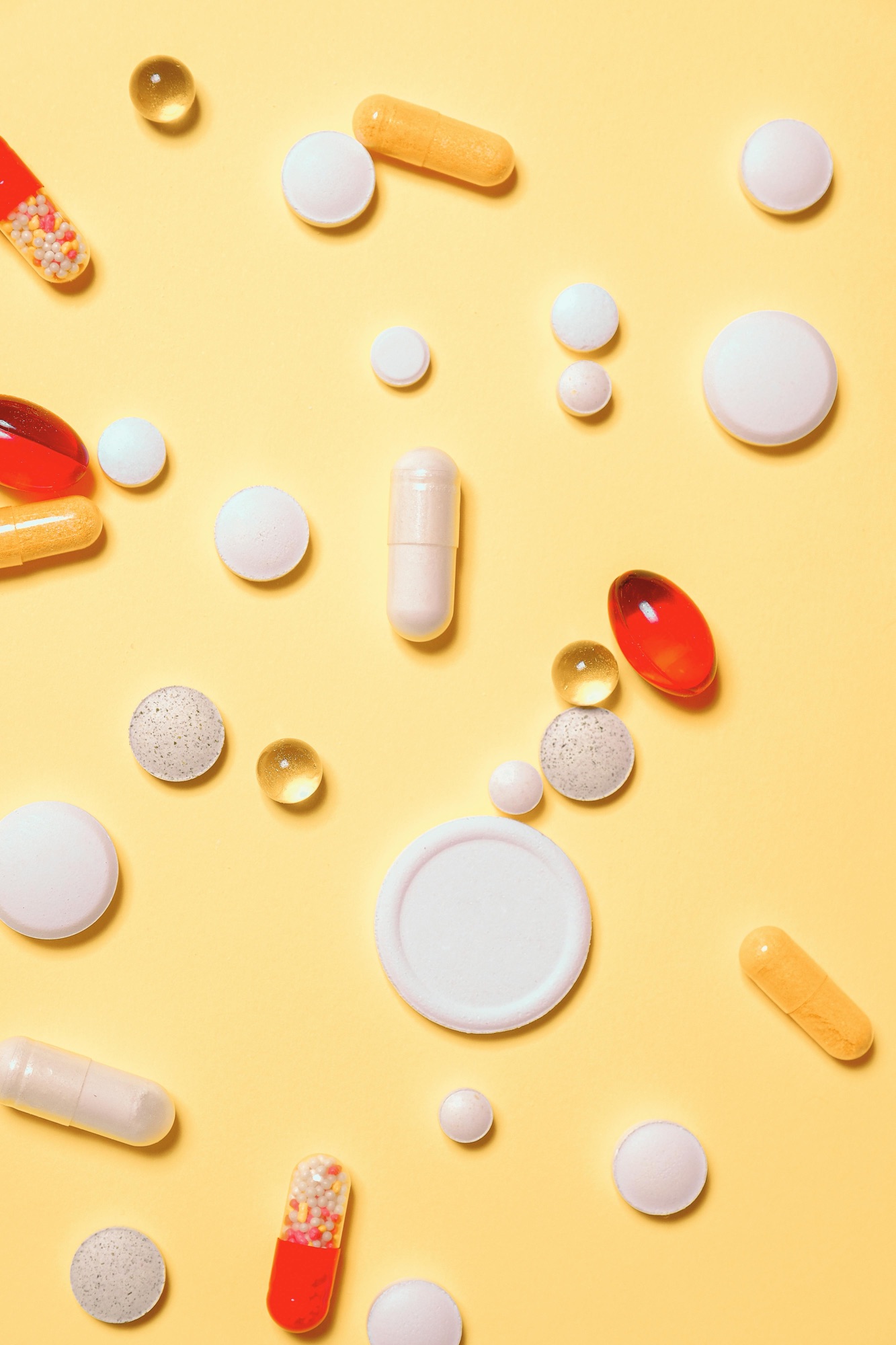
For individuals who struggle to meet their needs through sun and food, supplements may be necessary, especially during winter.
In the UK, NHS guidelines recommend a daily 10 microgram (400 IU) supplement in winter for most adults. In the US, recommendations vary by age and health status but typically range from 600–800 IU daily.
Always consult a healthcare provider before starting supplements.
Who Is Most at Risk of Deficiency?
People who live in northern climates Individuals with darker skin tones Adults over 65 Those who cover most of their skin for cultural or medical reasons Vegans or vegetarians who avoid fish and fortified dairy
Vitamin D may seem like a small part of your diet, but its impact on your health is significant. Whether through strategic sun exposure, fortified foods, or supplements, maintaining adequate Vitamin D levels is one of the simplest yet most powerful nutrition habits you can adopt.
In a time when immune health, mental well-being, and physical strength are more important than ever, Vitamin D is not optional—it’s essential.
Looking for a natural way to improve your mood, immunity, and bone strength? Start by checking your Vitamin D intake.