
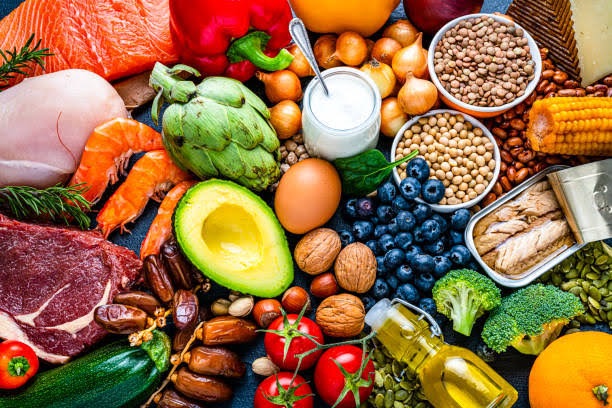
Remember when healthy eating meant bland salads and protein shakes? Those days are over.
In 2025, food isn’t just fuel—it’s data-backed, bio-personalized, functional, and fast. Welcome to the Smart Food revolution, where your lunch is as optimized as your smartphone.
Urban Americans are leading this shift, blending convenience with cutting-edge nutrition. Whether it’s a collagen-boosted latte from a wellness café in SoHo or an AI-generated meal plan delivered in compostable packaging in San Francisco, the future of food is already here.
Here’s what’s cooking in America’s smartest kitchens.
1. Functional Food Is the New Normal
We’re no longer just eating to stay full—we’re eating to focus, recover, sleep, glow, and perform.
Examples of functional foods hitting menus:
Lion’s mane mushroom tacos for cognitive support Turmeric shots with black pepper for anti-inflammatory benefits Dark chocolate with ashwagandha for stress relief
Every bite has a purpose—and it’s backed by science.
2. AI Is Personalizing Your Plate
AI isn’t just writing emails—it’s designing your dinner. Platforms like Zoe, Viome, and Nutrigenomix use microbiome or genetic data to recommend exactly what your body needs.
Think:
Meal plans tailored to your gut health Blood sugar-responsive snack suggestions Grocery lists optimized by your wearable data
Nutrition is no longer one-size-fits-all—it’s hyper-personal.
3. Ghost Kitchens Go Gourmet
In urban areas, ghost kitchens (delivery-only restaurants) are moving beyond greasy takeout. Now, they’re crafting gourmet, health-forward meals that cater to specific diets—vegan, paleo, low-FODMAP, high-protein, gluten-free—you name it.
It’s restaurant-quality food, tech-powered and doorstep-ready.
4. Food Meets Biohacking
Smart eaters are blending food and biohacking to maximize performance. That means:
Fasting windows guided by circadian rhythm Meal timing for hormonal balance Precision hydration with added minerals based on wearable feedback
It’s not just what you eat. It’s when and how you eat that matters.
5. Convenience Without Compromise
Smart food isn’t about sacrifice. It’s about upgrading convenience.
Popular formats:
Prebiotic sodas instead of sugary drinks Collagen protein bars instead of candy Air-fried cauliflower bites over potato chips
No prep, no guilt, all flavor.
6. Clean Label, Planet-First Choices
Today’s urban consumers care about transparency and sustainability. That means:
Clean ingredient labels you can actually read Regenerative farming sources Zero-waste or compostable packaging
Ethical eating is becoming a status symbol.
7. The Rise of Mood-Based Eating
Feeling anxious? There’s a snack for that. Can’t sleep? There’s a latte for that.
Mood-based eating is booming, with food products designed to regulate emotions using adaptogens, herbs, and smart macros.
Top trending ingredients:
L-theanine for calm Maca root for energy Magnesium for better sleep
Your food now works as your wellness tool.
Final Bite: The Future Is on Your Fork
Smart food is about more than just trends—it’s a cultural shift. As cities grow smarter, so do our kitchens, our delivery services, and our nutritional choices.
In the era of wearables and wellness, food is no longer reactive. It’s proactive. It’s designed. It’s intelligent.
And most importantly—it still tastes incredible.