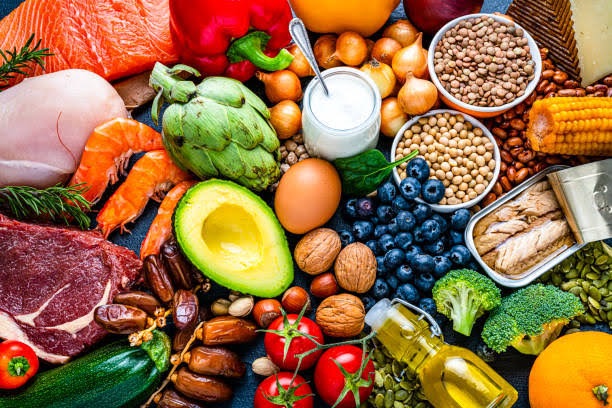

Turning 40 is a milestone—but it also marks a shift in how the male body functions. Slower metabolism, changing hormones, and increasing risk of chronic conditions like heart disease and type 2 diabetes all mean one thing: nutrition matters more than ever.
The good news? Small, consistent dietary changes can support energy, mental focus, muscle mass, and long-term health. Here’s how men over 40 can eat not just to survive—but to thrive.
1. Upgrade Your Protein Game
Protein is essential for preserving lean muscle, especially as testosterone levels and muscle mass begin to decline with age.
- Aim for 20–30 grams of protein per meal
- Opt for lean meats, fish, eggs, Greek yogurt, and legumes
- Incorporate plant-based protein like tofu or lentils for variety
Bonus: Post-workout protein helps with muscle recovery and growth.
2. Cut Back on Simple Carbs—But Don’t Cut Carbs Entirely
Refined sugars and white carbs can spike blood sugar and promote fat storage, especially around the midsection.
- Swap white bread, pasta, and rice for whole grains like quinoa, oats, and brown rice
- Prioritize complex carbs for steady energy
- Watch out for hidden sugars in sauces, cereals, and packaged snacks
Carbs aren’t the enemy—quality and portion control are key.
3. Prioritize Heart-Healthy Fats
After 40, cardiovascular health becomes a top concern. Healthy fats support heart, brain, and joint health.
- Include omega-3-rich foods like salmon, chia seeds, walnuts, and flaxseed
- Use olive oil instead of butter or vegetable oils
- Limit trans fats and saturated fats from processed meats and fried foods
Think of fats as fuel for long-term performance.
4. Stay Hydrated—Especially if You’re Active
Dehydration impacts energy, mood, and digestion. And as men age, thirst signals weaken.
- Drink at least 8–10 cups of water daily
- Add electrolytes if you sweat a lot or exercise frequently
- Cut down on sugary sodas and too much caffeine
Hydration is one of the easiest ways to optimize daily vitality.
5. Keep an Eye on Portions
Portion creep is real. Appetite regulation changes over time, and metabolism slows, so being mindful of quantity matters.
- Use smaller plates or portion your meals ahead of time
- Eat slowly—your brain takes time to register fullness
- Pay attention to hunger vs. habit eating
Pro tip: Track food intake for a few days to get a reality check.
6. Support Gut Health
Gut health influences everything from immunity to mood—and it naturally weakens with age.
- Add fiber from whole fruits, vegetables, beans, and grains
- Include probiotics from yogurt, kefir, or fermented foods
- Consider a daily probiotic supplement after consulting your doctor
A happy gut means a healthier body and sharper mind.
7. Limit Alcohol and Red Meat
While a beer or steak now and then isn’t the end of the world, moderation matters.
- Limit red meat to a few times per week
- Choose leaner cuts and grill instead of frying
- Stick to no more than 1–2 alcoholic drinks/day, and opt for red wine or spirits over sugary cocktails
Your liver and heart will thank you later.
8. Consider These Key Supplements
Before adding supplements, consult a healthcare provider. But many men over 40 benefit from:
- Vitamin D3 (especially if you work indoors)
- Magnesium (for sleep, muscle recovery, and blood pressure)
- Zinc (for immunity and testosterone support)
- Omega-3s (if not consuming enough through diet)
Supplements can’t replace food—but they can fill strategic gaps.
Final Thoughts
Nutrition isn’t about drastic diets or guilt-driven restrictions. For men over 40, it’s about fueling a body that’s changing—and supporting a life that’s only gaining momentum.
Start small. Choose smarter proteins. Eat more fiber. Drink more water. Skip that extra soda. These aren’t sacrifices—they’re investments in energy, longevity, and strength.
Because aging well isn’t about slowing down—it’s about powering up with purpose.