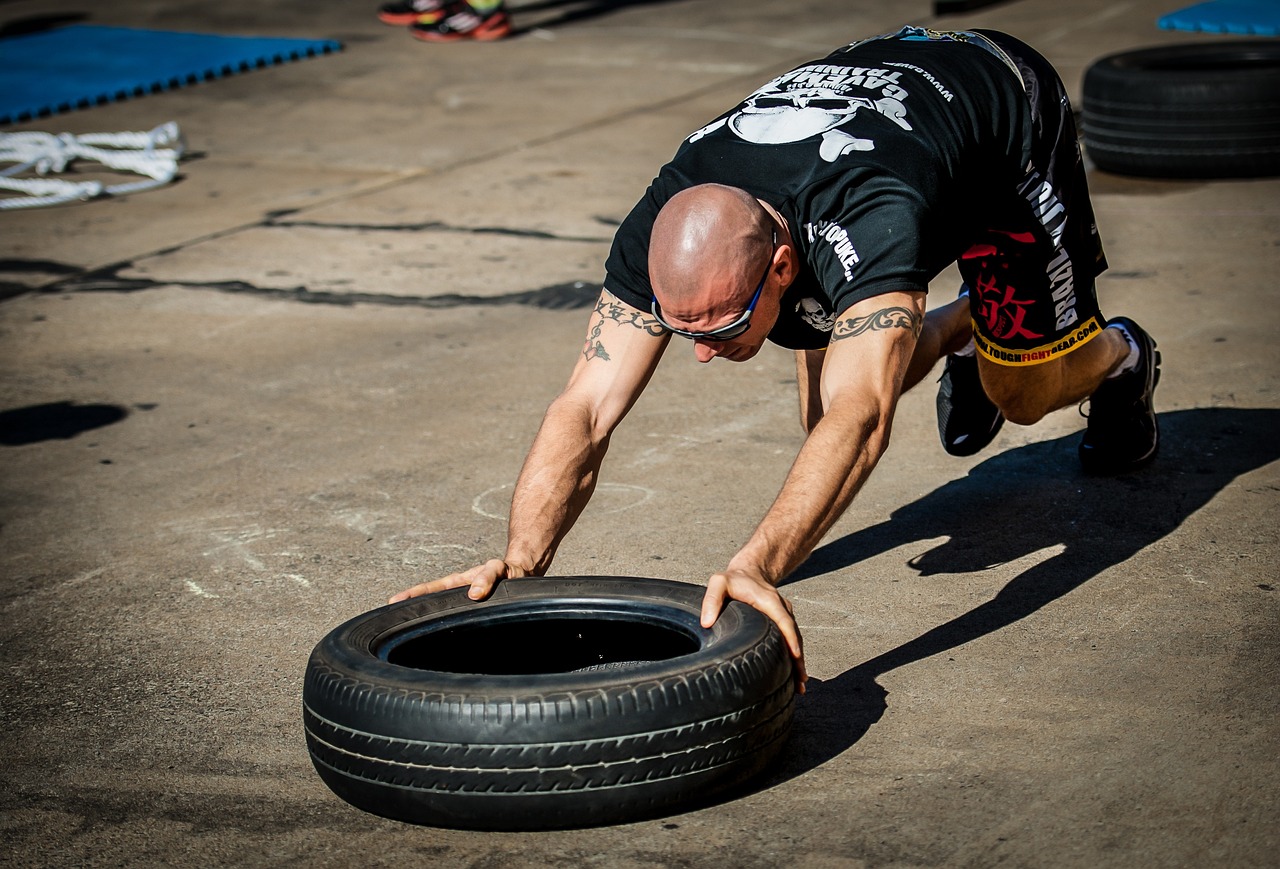
The U.S. fitness industry is no stranger to trends—from HIIT and CrossFit to boutique spin studios and wearable tech. But in 2025, one concept is making its way from training centers to everyday living rooms: functional fitness.
Unlike traditional gym routines focused on aesthetics or isolated muscle groups, functional fitness emphasizes real-world movement, helping people of all ages build strength, flexibility, and endurance for everyday activities. Whether it’s lifting groceries, climbing stairs, or playing with your kids, functional fitness is designed to make life easier and healthier.
What Is Functional Fitness?
At its core, functional fitness trains your body for daily tasks by mimicking movements you perform outside the gym. It focuses on:
- Compound movements: Exercises that use multiple muscle groups simultaneously (e.g., squats, lunges, push-ups)
- Balance and coordination: Often neglected in traditional weightlifting but crucial for preventing falls and injuries
- Mobility and flexibility: Aimed at maintaining joint health and range of motion
This approach blends strength, cardio, core stability, and flexibility into dynamic, whole-body routines.
Why It’s Trending in the U.S.
Several factors are driving the rise of functional fitness in America:
1. Increased Focus on Longevity
More Americans are looking beyond short-term fitness goals and investing in long-term health. Functional fitness supports healthy aging, which is crucial for the growing population of adults over 40.
2. Rise of At-Home and Minimal Equipment Workouts
Post-pandemic workout habits have stuck. Functional fitness fits perfectly into home routines using body weight, resistance bands, kettlebells, or even household objects.
3. Accessibility for All Fitness Levels
From elite athletes to seniors recovering from injury, functional workouts can be easily adapted for different needs. Physical therapists and personal trainers often integrate these exercises into rehab and prevention programs.
4. Better Performance, Fewer Injuries
Functional training builds core stability, improves posture, and trains muscles to work together. This reduces the risk of overuse injuries common in machine-based or muscle-isolation workouts.
Sample Functional Fitness Movements
Here are a few key exercises that are often included in functional routines:
- Squats: Build leg strength and improve mobility
- Planks: Strengthen core and improve posture
- Farmer’s Carry: Enhance grip strength and core stability
- Step-ups: Mimic stair climbing and support knee health
- Medicine Ball Throws: Improve power and coordination
These can be performed in circuits to increase cardiovascular fitness while improving strength and endurance.
How to Get Started
- Assess your needs: Are you training for mobility, strength, balance, or endurance?
- Start slow: Even 15–20 minutes a day of bodyweight training can create measurable benefits.
- Focus on form: Prioritize correct movement patterns over speed or weight.
- Use online resources or an app: Many functional fitness programs are available digitally.
- Incorporate it into your lifestyle: Even simple things like walking with good posture or doing squats while brushing your teeth can reinforce functional patterns.
Final Thoughts
Functional fitness isn’t just another trend—it’s a practical shift in how Americans are redefining strength and performance. By training the body to move better in the real world, this approach is helping people become more resilient, capable, and confident—inside and outside the gym.
Whether you’re an office worker sitting for hours, a parent juggling physical demands, or someone recovering from injury, functional fitness offers a smarter, safer, and more sustainable way to move.