In recent years, one nutrition trend has steadily risen in popularity across the United States: the anti-inflammatory diet. No longer just a medical niche, this approach to eating is now a mainstream movement among health-conscious Americans seeking better energy, improved digestion, and long-term disease prevention.
But what exactly is an anti-inflammatory diet, and why are so many people turning to it?
Understanding Inflammation and Diet
Inflammation is the body’s natural defense mechanism against injury or infection. However, when it becomes chronic—as a result of poor diet, stress, or environmental factors—it can contribute to a wide range of health issues, including heart disease, diabetes, arthritis, and even certain cancers.
The anti-inflammatory diet focuses on reducing chronic inflammation through whole, nutrient-dense foods that naturally calm the body’s inflammatory response.
Core Principles of the Anti-Inflammatory Diet
The diet is not a rigid meal plan but rather a flexible framework that encourages:
- Fruits and Vegetables: Especially dark leafy greens, berries, and cruciferous vegetables, which are high in antioxidants and polyphenols.
- Healthy Fats: Olive oil, nuts, seeds, and fatty fish like salmon, which are rich in omega-3 fatty acids.
- Whole Grains: Brown rice, quinoa, oats, and barley offer fiber and nutrients without spiking blood sugar.
- Lean Proteins: Fish, legumes, and occasionally poultry form the protein base.
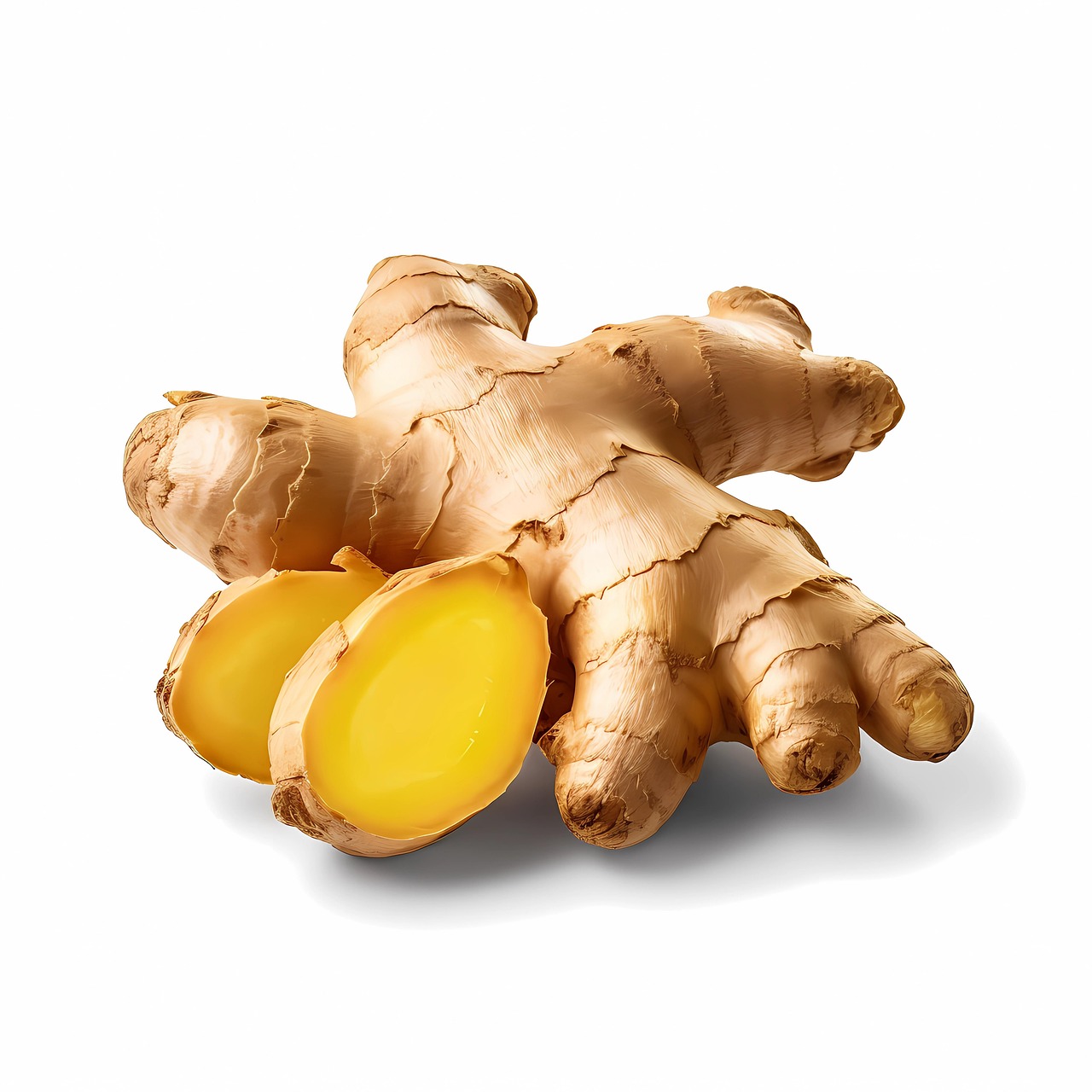
- Herbs and Spices: Turmeric, ginger, garlic, and cinnamon are all noted for their anti-inflammatory properties.
Foods to avoid include ultra-processed snacks, refined carbohydrates, sugary beverages, and excessive red meat—all linked to increased inflammation.
Why It’s Trending in the U.S.
Several factors are contributing to the rise of this dietary approach in the U.S.:
- Health Awareness: Americans are increasingly aware of the connection between diet and chronic disease. As healthcare costs rise, preventive wellness strategies are gaining traction.
- Functional Medicine Influence: Doctors and nutritionists practicing functional medicine often recommend anti-inflammatory eating as a holistic path to healing.
- Celebrity and Social Media Endorsement: Influencers, chefs, and wellness experts are spotlighting anti-inflammatory meals, recipes, and grocery lists.
- Scientific Backing: Numerous studies continue to validate the role of inflammation in chronic illness and how diet plays a central role in managing it.
Practical Tips to Get Started
If you’re considering shifting toward an anti-inflammatory eating style, here are a few simple tips:
- Shop the perimeter of the grocery store where fresh produce and whole foods are typically stocked.
- Cook more meals at home using fresh herbs and healthy oils.
- Read labels to avoid added sugars, hydrogenated oils, and artificial ingredients.
- Plan balanced meals that include a variety of colors and textures.
- Stay consistent—it’s about overall pattern, not perfection.
Conclusion: A Lifestyle, Not a Fad
The anti-inflammatory diet is more than a passing trend—it’s a sustainable, science-backed approach to eating that aligns with a growing demand for preventive health and mindful living in America. Whether you’re dealing with chronic health issues or simply seeking more vitality, this diet offers a grounded and flexible pathway toward wellness.
If you’re ready to make a shift, start small. Replace processed foods with fresh, whole ingredients and observe how your body responds. Sometimes, the simplest changes yield the most powerful results.