
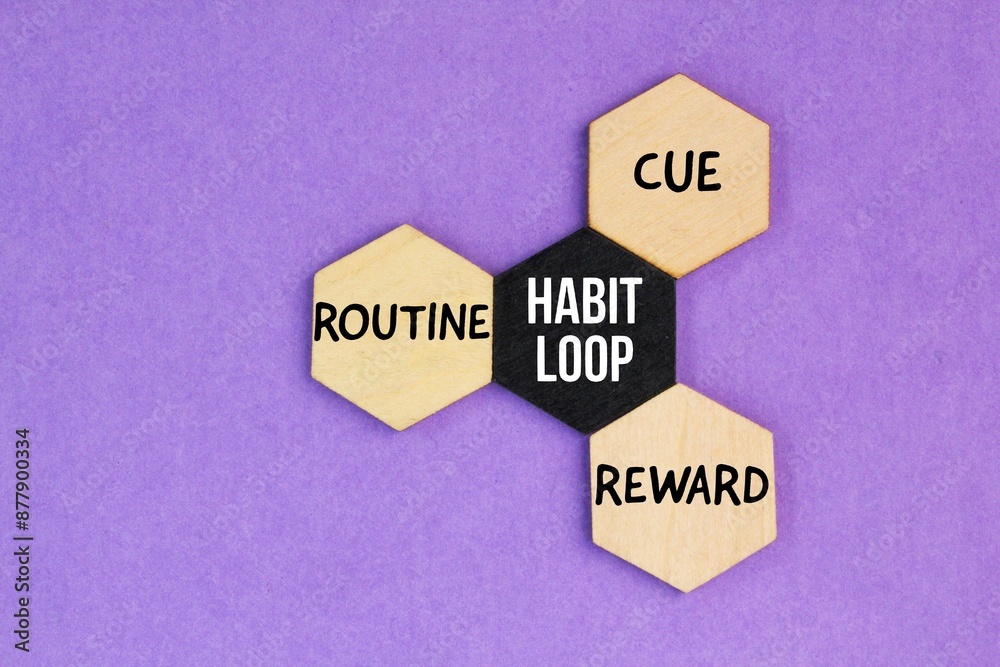
In our fast-paced world, it’s easy to focus solely on physical symptoms when we feel unwell. However, true well-being extends far beyond the absence of disease. It encompasses a profound balance of mind, body, and spirit. This comprehensive approach is known as holistic health, and its foundation lies in the small, consistent habits we integrate into our daily lives.
Holistic health recognizes that every aspect of your being is interconnected. A stressed mind can manifest in physical ailments, just as a nutrient-deficient body can impact your mood and mental clarity. By nurturing all facets of yourself, you don’t just treat symptoms; you build resilience, foster inner peace, and cultivate a vibrant, sustainable sense of wellness. This guide will walk you through actionable daily habits that contribute to your overall well-being, paving the way for a truly integrated and healthy life.
The Pillars of Holistic Health
To achieve a state of optimal holistic health, it’s essential to understand and nurture its core pillars. These aren’t separate entities but rather interdependent facets that influence one another profoundly. When one area thrives, it positively impacts the others, creating a virtuous cycle of well-being.
Nourishing Your Body: The Physical Pillar
Your body is your temple, and its care is foundational for holistic health. What you consume, how you move, and how you rest directly impacts your energy levels, mood, and cognitive function.
- Mindful Nutrition: Focus on whole, unprocessed foods. This means plenty of fresh fruits, vegetables, lean proteins, and healthy fats. Pay attention to how different foods make you feel, tuning into your body’s unique needs. Stay well-hydrated throughout the day, as water is crucial for every bodily process.
- Consistent Movement: Regular physical activity isn’t just about burning calories; it improves circulation, boosts mood, reduces stress, and enhances sleep quality. This doesn’t necessarily mean intense gym sessions every day. Incorporate a mix of activities you enjoy, whether it’s walking, yoga, dancing, cycling, or strength training. Aim for at least 30 minutes of moderate activity most days.
- Restorative Sleep: Sleep is often underestimated, yet it’s when your body and mind repair and regenerate. Prioritize 7-9 hours of quality sleep each night. Establish a consistent sleep schedule, create a calming bedtime routine, and ensure your sleep environment is conducive to rest.
Cultivating Your Mind: The Mental Pillar
Your mind is a powerful tool, and nurturing its health is crucial for emotional balance and mental clarity. Just as you exercise your body, you need to exercise and care for your brain.
- Mindfulness and Meditation: Dedicate time each day to quiet your mind. Even 5-10 minutes of mindfulness or meditation can significantly reduce stress, improve focus, and promote emotional regulation. There are many guided meditations available if you’re new to the practice.
- Continuous Learning: Keep your brain engaged and challenged by learning new skills, reading, or pursuing hobbies that stimulate your intellect. This helps maintain cognitive function and can provide a sense of purpose and achievement.
- Managing Information Intake: Be mindful of the news and social media you consume. Protect your mental space by limiting exposure to negativity and seeking out uplifting or informative content.
- Practicing Gratitude: Regularly acknowledge the positive things in your life. A gratitude journal or simply taking a moment to list what you’re thankful for can shift your perspective and foster a more positive outlook.
Tending Your Spirit: The Emotional & Spiritual Pillar
The spiritual and emotional aspects of holistic health involve finding meaning, connecting with others, and understanding your inner self. This pillar often provides the deep sense of purpose and contentment that underpins true well-being.
- Emotional Awareness: Acknowledge and process your emotions rather than suppressing them. This might involve journaling, talking to a trusted friend, or seeking professional support if needed. Understanding your feelings is the first step towards managing them constructively.
- Meaningful Connections: Nurture your relationships with family and friends. Social connection is vital for mental and emotional health, providing support, joy, and a sense of belonging. Spend quality time with loved ones and engage in your community.
- Finding Purpose: Identify what truly matters to you. Engaging in activities that align with your values, whether it’s volunteering, pursuing a passion, or contributing to a cause, can provide a profound sense of meaning and fulfillment.
- Reflection and Self-Compassion: Take time for self-reflection. Understand your strengths and weaknesses without judgment. Treat yourself with the same kindness and understanding you would offer a dear friend.
Implementing Daily Habits for Holistic Well-being
Transforming these pillars into daily practices doesn’t require drastic overhauls. Small, consistent steps can lead to significant improvements in your overall well-being and help you achieve holistic health.
Morning Rituals for a Positive Start
How you begin your day often sets the tone for the hours that follow. Creating a mindful morning routine can significantly impact your mood and productivity.
- Hydrate Immediately: Start your day with a glass of water, perhaps with a slice of lemon. This rehydrates your body after sleep and kick-starts your metabolism.
- Mindful Moments: Dedicate 5-10 minutes to quiet reflection, meditation, or deep breathing exercises before engaging with screens or daily tasks.
- Light Movement: A few stretches, gentle yoga poses, or a short walk can awaken your body and improve circulation.
- Set Intentions: Briefly consider what you want to achieve or how you want to feel during the day. This provides focus and direction.
Midday Practices for Sustained Energy
The middle of the day can often feel like a slump. Incorporating simple habits can help maintain your energy and focus.
- Mindful Eating: Take a proper lunch break away from your desk. Eat slowly, savoring your food, and paying attention to your body’s hunger and fullness cues.
- Movement Breaks: If you have a sedentary job, stand up, stretch, or take a short walk every hour or so. Even a five-minute break can refresh your mind.
- Quick Mental Reset: If you feel overwhelmed, take a few deep breaths, step outside for some fresh air, or listen to a calming piece of music for a few minutes.
Evening Routines for Restorative Sleep
Winding down properly is crucial for quality sleep, which in turn supports all aspects of your holistic health.
- Digital Detox: Aim to switch off screens (phones, tablets, computers, TV) at least an hour before bedtime. The blue light emitted can disrupt melatonin production.
- Relaxation Practices: Engage in calming activities such as reading a physical book, taking a warm bath, listening to soothing music, or gentle stretching.
- Gratitude Journaling: Before bed, jot down a few things you’re grateful for. This can shift your focus to positive thoughts and prepare your mind for peaceful rest.
- Prepare for Tomorrow: A few minutes of planning for the next day can reduce morning stress and help you feel more organized and in control.
Overcoming Challenges and Staying Consistent
Embarking on a journey towards integrated well-being isn’t always linear. There will be days when motivation wanes or external pressures interfere. The key is consistency, not perfection.
- Start Small: Don’t try to implement all habits at once. Choose one or two to focus on for a few weeks until they become routine, then gradually add more.
- Be Patient and Kind to Yourself: Building new habits takes time. There will be setbacks. When you miss a day, simply acknowledge it and recommit the next. Self-compassion is vital.
- Listen to Your Body: Your needs will vary day to day. Some days you might need more rest, others more movement. Tune into your internal signals and adjust your routine accordingly.
- Seek Support: Share your goals with a friend, family member, or join a community. Having accountability and encouragement can make a significant difference.
- Flexibility is Key: Life happens. If your routine gets disrupted, don’t abandon it entirely. Adapt and find ways to incorporate elements of your holistic health practices, even if it’s just for a few minutes.
Conclusion
True holistic health is an ongoing journey, not a destination. By embracing these daily habits that nurture your mind, body, and spirit, you’re not just improving your physical state; you’re building a foundation for profound and sustainable well-being. Remember, small, consistent efforts compound over time, leading to remarkable transformations. Begin today, one habit at a time, and watch as your entire life blossoms with vitality and balance. Your commitment to these practices is an investment in a richer, healthier, and happier you.