
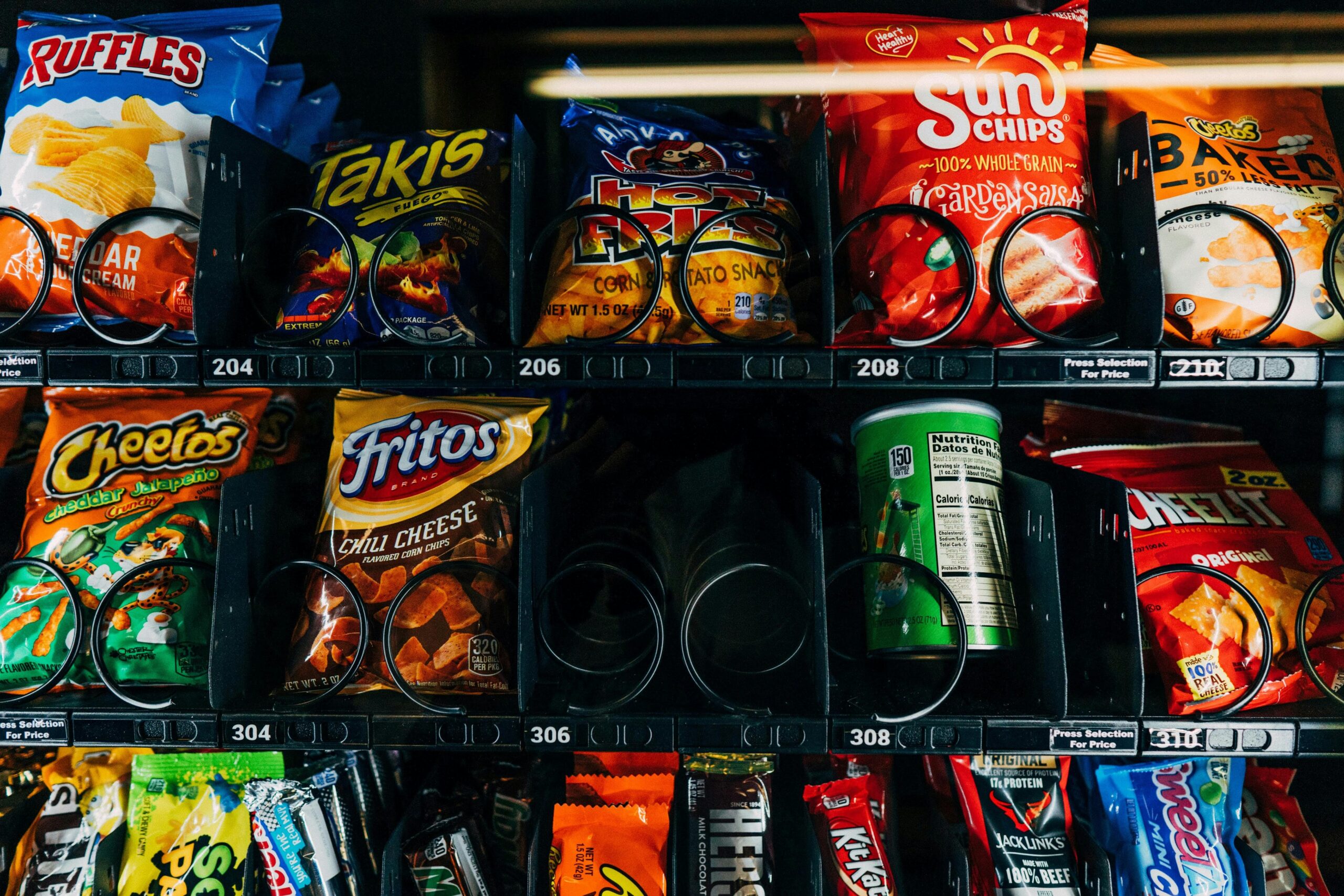
Peek into the average American pantry, and you’ll likely find shelves stocked with colorful boxes, bags, and packages. These convenient staples – from breakfast cereals and sugary drinks to microwave meals and packaged snacks – have become ubiquitous in our modern diets. Yet, beneath their appealing packaging and quick-fix allure lies a “hidden hand” silently reshaping the health landscape of the nation: ultra-processed foods. Far from innocent conveniences, these engineered food products are increasingly linked to a disturbing rise in chronic diseases, impacting everything from our waistlines to our mental well-being. It’s time to understand what these foods are, their profound impact, and how we can take back control of our health.
What Exactly Are Ultra-Processed Foods?
The term “ultra-processed foods,” often abbreviated as UPFs, refers to industrial formulations of food substances (oils, fats, sugars, starches, protein isolates) that contain little or no whole food and are characterized by the presence of flavorings, colorings, emulsifiers, and other cosmetic additives. They are designed for hyper-palatability, convenience, and long shelf-life, often at a low cost.
Unlike minimally processed foods (like canned vegetables or plain yogurt) or processed culinary ingredients (like flours or oils), UPFs undergo multiple industrial processes. They are created to be irresistible, making it easy to overconsume them. Think beyond just “junk food” – many seemingly “healthy” options, like some granola bars, fruit yogurts, or whole-wheat breads, can also fall into this category if they contain extensive lists of industrial ingredients and additives.
Key characteristics of ultra-processed foods include:
- High in Added Sugars, Unhealthy Fats, and Sodium: These ingredients are used to enhance flavor, texture, and preservation, often far exceeding recommended daily limits.
- Low in Fiber, Vitamins, and Minerals: The industrial processing strips away much of the natural nutritional value found in whole foods.
- Long Ingredient Lists with Unfamiliar Names: Look for artificial colors, flavors, sweeteners, emulsifiers, thickeners, and preservatives.
- Aggressive Marketing: Often targeted at children and busy adults, emphasizing convenience and taste over nutritional content.
The Alarming Rise of UPFs in the American Diet
The consumption of ultra-processed foods has skyrocketed in the United States over the past few decades. Studies show that UPFs now constitute more than half of the average American’s daily caloric intake, with some demographics consuming as much as 80%. This dramatic shift from traditional, home-cooked meals centered on whole ingredients to a diet dominated by packaged, ready-to-eat products is driven by several factors:
- Convenience Culture: Busy lifestyles lead consumers to seek quick and easy meal solutions.
- Affordability: UPFs are often cheaper than fresh produce, lean proteins, and other whole foods, making them accessible to a wider demographic.
- Pervasive Marketing: Food corporations invest heavily in advertising, making these products seem appealing, necessary, and even “healthy.”
- Globalized Food System: Complex supply chains and industrial farming practices favor ingredients suitable for large-scale processing.
This widespread adoption of UPFs has fundamentally reshaped the American diet, pushing out nutrient-dense options and creating a landscape ripe for health complications.
The Health Crisis: How Ultra-Processed Foods Impact Your Body
The pervasive presence of ultra-processed foods in our diet is no longer just a dietary concern; it’s a public health crisis. A growing body of scientific research overwhelmingly links high consumption of UPFs to a wide array of adverse health outcomes.
Obesity and Weight Gain
One of the most immediate and visible impacts of UPFs is their contribution to the obesity epidemic. These foods are engineered to be hyper-palatable, meaning they taste incredibly good, making it difficult to stop eating them. Their high calorie density, combined with a lack of fiber and protein, means they don’t promote satiety, leading to overeating. Furthermore, the rapid absorption of sugars from UPFs causes sharp spikes in blood sugar and insulin, which can promote fat storage, especially around the abdomen. The addictive-like properties of these foods can also alter brain reward pathways, encouraging continued consumption despite caloric excess.
Chronic Disease Epidemic
Beyond weight gain, UPFs are deeply implicated in the rise of numerous chronic diseases that plague American society:
- Type 2 Diabetes: The high sugar content and refined carbohydrates in UPFs lead to insulin resistance, a precursor to type 2 diabetes.
- Cardiovascular Disease: Excessive amounts of unhealthy trans fats, saturated fats, and sodium contribute to high blood pressure, elevated cholesterol levels, and increased risk of heart attacks and strokes.
- Certain Cancers: Emerging research suggests a link between UPF consumption and an increased risk of various cancers, possibly due to inflammatory effects, additives, or their impact on gut health.
- Gut Health Dysbiosis: The lack of fiber and presence of emulsifiers and artificial sweeteners in UPFs can disrupt the delicate balance of the gut microbiome, leading to inflammation, digestive issues, and potentially impacting immune function.
Mental Health and Cognitive Decline
The impact of UPFs extends beyond physical health. Studies are beginning to uncover connections between diets high in these foods and poorer mental health outcomes, including increased risks of depression and anxiety. The inflammatory effects and nutrient deficiencies associated with UPFs may also negatively affect brain function and cognitive abilities over time.
Unmasking the “Hidden Hand”: Industry Influence and Public Health
The proliferation of ultra-processed foods is not accidental; it is the result of powerful food industry strategies. Multinational corporations wield significant influence, investing billions in marketing, lobbying, and product development to ensure their products dominate the market. They employ sophisticated marketing tactics to target vulnerable populations, including children, and often fund research that downplays the negative health impacts of their products. This “hidden hand” makes it incredibly challenging for public health initiatives to counteract the prevailing narrative of convenience and affordability, leaving consumers often ill-equipped to make informed choices.
Taking Back Control: Practical Steps for a Healthier Pantry
While the pervasive nature of ultra-processed foods might seem daunting, individuals and communities can take significant steps to reclaim their health and reshape the food environment. Empowering yourself with knowledge is the first step:
- Read Food Labels Carefully: Prioritize products with short ingredient lists that contain whole, recognizable foods. Be wary of long lists filled with numbers, chemicals, and unfamiliar terms. The fewer the ingredients, the better.
- Prioritize Whole, Unprocessed Foods: Build your diet around fruits, vegetables, whole grains, lean proteins, legumes, nuts, and seeds. These are nutrient-dense and naturally filling.
- Cook More at Home: Preparing meals from scratch gives you complete control over the ingredients, allowing you to avoid hidden sugars, unhealthy fats, and additives. Even simple home-cooked meals are often healthier than their UPF counterparts.
- Be Skeptical of Health Claims: Many UPFs are marketed as “healthy,” “natural,” or “fortified.” Look beyond the front-of-package claims and scrutinize the nutritional panel and ingredient list.
- Choose Water Over Sugary Drinks: Sugary beverages are a major source of added sugars and UPFs. Opt for water, unsweetened tea, or naturally flavored water instead.
- Support Local and Sustainable Food Systems: Seek out farmers’ markets, community-supported agriculture (CSAs), and stores that prioritize fresh, minimally processed foods.
- Advocate for Policy Change: Support policies that promote healthy eating, such as clearer food labeling, taxes on sugary drinks, and restrictions on marketing unhealthy foods to children.
The “hidden hand” of ultra-processed foods has undeniably reshaped American health, contributing to a landscape of rising chronic diseases and widespread obesity. However, by understanding the nature of these foods and consciously choosing whole, minimally processed alternatives, we can begin to reverse this trend. Reclaiming our pantries is not just about what we eat; it’s about reclaiming our health, vitality, and future.