
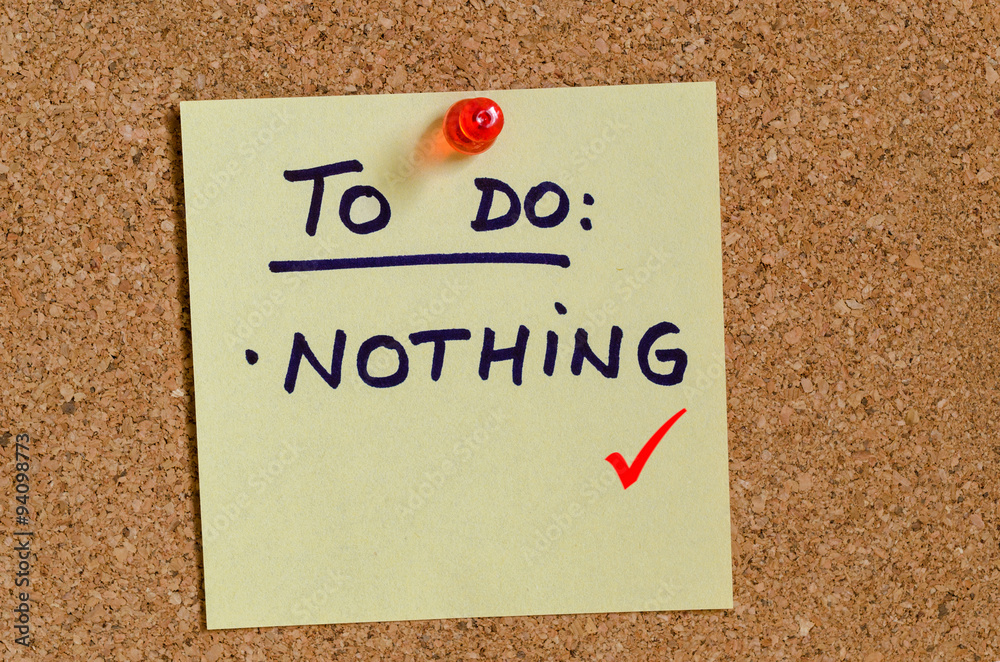
In a world obsessed with peak performance, constant productivity, and the relentless pursuit of more, the very notion of ‘doing nothing’ feels almost heretical. We’re conditioned to believe that our worth is intrinsically linked to our output – how many emails we answer, projects we complete, or tasks we tick off our to-do list. But what if this ingrained hustle culture is actually detrimental to our well-being? What if the secret to genuine wellness isn’t about doing more, but about deliberately, unapologetically, and strategically doing less?
This is the essence of the anti-productivity prescription: embracing the profound power of doing nothing. Far from advocating for laziness, this approach suggests that intentional periods of rest, reflection, and quiet inactivity are not just a luxury, but a vital, non-negotiable component of a healthy, balanced, and ultimately, more fulfilling life. It’s time to redefine what “productive” truly means and discover why pausing can be your most powerful health strategy.
The Productivity Trap: Why We’re Burned Out
Our modern society has glorified busyness. From the moment we wake up, we’re bombarded with notifications, expectations, and the implicit pressure to optimize every minute. This ‘always on’ mentality has created a global epidemic of stress, anxiety, and burnout. We measure success by our packed schedules, often mistaking exhaustion for accomplishment.
- The Hustle Culture: We celebrate those who work 80-hour weeks, sleep minimal hours, and constantly push their limits.
- Digital Overload: Smartphones and constant connectivity blur the lines between work and personal life, making true disconnection challenging.
- Fear of Missing Out (FOMO): The constant stream of social media highlights reel convinces us everyone else is living their best, most productive life, fueling our own need to keep up.
The result? Chronic fatigue, decreased creativity, strained relationships, and a pervasive sense that we’re running on empty. Our bodies and minds are simply not designed for continuous, high-intensity output without adequate recovery. The relentless pursuit of productivity is, paradoxically, making us less effective and significantly less well.
Embracing the Anti-Productivity Prescription
The anti-productivity prescription isn’t about abandoning your responsibilities or becoming a couch potato. It’s about consciously carving out time for intentional inactivity – time that allows your mind and body to reset, repair, and recharge. It’s understanding that rest is not a reward for hard work, but a fundamental component of it.
So, what exactly does doing nothing entail? It’s not about mindlessly scrolling through social media or binge-watching TV, though passive entertainment has its place. True ‘doing nothing’ is about creating space for your mind to wander without agenda, to simply be, without the pressure of achieving an outcome.
Think of it as active rest – a deliberate act of choosing non-action over action, allowing your diffuse mode of thinking to take over, or simply giving your prefrontal cortex a much-needed break from decision-making and problem-solving.
The Profound Benefits of Doing Nothing for Your Wellness
The benefits of incorporating intentional inactivity into your life are far-reaching, impacting every facet of your well-being. The simple act of doing nothing can unlock a powerful cascade of positive changes.
Boosted Creativity and Problem-Solving
Our brains need downtime to consolidate information, form new connections, and generate novel ideas. When we’re constantly engaged, our focused attention mode dominates. But when we allow our minds to wander, ideas that seemed unrelated can suddenly click into place. Many breakthroughs occur during showers, walks, or moments of quiet contemplation, not intense focused work. This is the magic of diffuse thinking, nurtured by moments of intentional inactivity.
Enhanced Mental Clarity and Focus
Just like a muscle, your brain gets fatigued. Constant mental exertion leads to cognitive overload, making it harder to concentrate, make decisions, and retain information. By regularly stepping away and allowing your mind to rest, you essentially clear the cache, improving your ability to focus when it’s truly needed. The clarity that comes from doing nothing can be astonishing.
Stress Reduction and Emotional Regulation
Chronic stress elevates cortisol levels, leading to inflammation, anxiety, and a host of physical ailments. Deliberately pausing and disconnecting provides an opportunity for your nervous system to downregulate. Whether it’s through mindful breathing, staring out a window, or simply lying down, these moments help lower stress hormones, calm the mind, and improve your capacity to manage emotions effectively.
Improved Physical Health
The link between mental stress and physical health is undeniable. By reducing mental load through periods of rest, you can experience a myriad of physical benefits, including better sleep quality, lower blood pressure, improved immune function, and reduced muscle tension. Your body needs time to repair and rejuvenate, and this often happens most effectively when you are in a state of relaxed non-action.
Reconnecting with Yourself
In our hyper-connected world, we often lose touch with our inner selves. We’re constantly reacting to external stimuli rather than listening to our own needs and desires. Moments of doing nothing create a vital space for self-reflection, introspection, and truly hearing what your body and mind are telling you. This reconnection fosters self-awareness, leading to better self-care decisions and a deeper sense of inner peace.
Practical Ways to Incorporate “Doing Nothing” Into Your Day
It might sound simple, but in our busy lives, intentionally creating space for inactivity requires conscious effort. Here are some practical ways to start embracing the benefits of doing nothing:
Schedule Downtime
Don’t wait for burnout to force you to rest. Actively schedule periods of “nothingness” into your daily or weekly routine, just as you would any other important appointment. This could be 15 minutes in the morning, an hour on a Sunday afternoon, or a few minutes between tasks.
Practice Mindful Pauses
Throughout your day, take short, intentional breaks. This could be as simple as taking three deep breaths, staring out a window for a minute, or just closing your eyes. These micro-moments of disconnection add up and prevent mental fatigue.
Embrace Digital Detox
Regularly unplug from screens. Designate screen-free times (e.g., the first hour after waking, the last hour before bed, or a full day on the weekend). This reduces cognitive load and frees up mental space for true rest.
Engage in Low-Stimulation Activities
Instead of constantly seeking stimulation, engage in activities that require minimal mental effort. This could include:
- Sitting quietly and observing nature.
- Staring at a blank wall or the ceiling.
- Taking a slow, aimless walk without a destination.
- Listening to ambient music without analyzing it.
- Doodling without purpose.
Reframe Your Perception
Shift your mindset. See ‘doing nothing’ not as wasted time or laziness, but as a crucial investment in your mental, emotional, and physical capital. It’s a proactive wellness strategy, not a reactive recovery from exhaustion.
Overcoming the Guilt of Inactivity
Perhaps the biggest hurdle to embracing this anti-productivity prescription is the deeply ingrained guilt many of us feel about not being “productive.” Society often equates constant activity with virtue. To overcome this, remember:
- Rest is not a luxury; it’s a biological necessity.
- Your worth is not determined by your output.
- By resting, you’re not falling behind; you’re creating the capacity to move forward more effectively.
- Think of it as preventative maintenance for your most valuable asset: yourself.
The power of doing nothing lies in its ability to restore, re-center, and rejuvenate. It’s a radical act of self-care in a world that demands constant doing.
Conclusion
The anti-productivity prescription offers a refreshing antidote to the relentless pace of modern life. By daring to embrace periods of intentional inactivity, you’re not just resting; you’re investing in your long-term health, happiness, and effectiveness. The benefits of doing nothing are profound and transformative, leading to increased creativity, sharper focus, reduced stress, and a deeper connection with your true self.
Start small, even if it’s just five minutes of quiet contemplation each day. Observe how your mind and body respond. You might find that the most powerful steps forward are often taken when you pause, breathe, and simply allow yourself to be. It’s time to reclaim your rest and unlock the true potential of your most powerful wellness strategy.